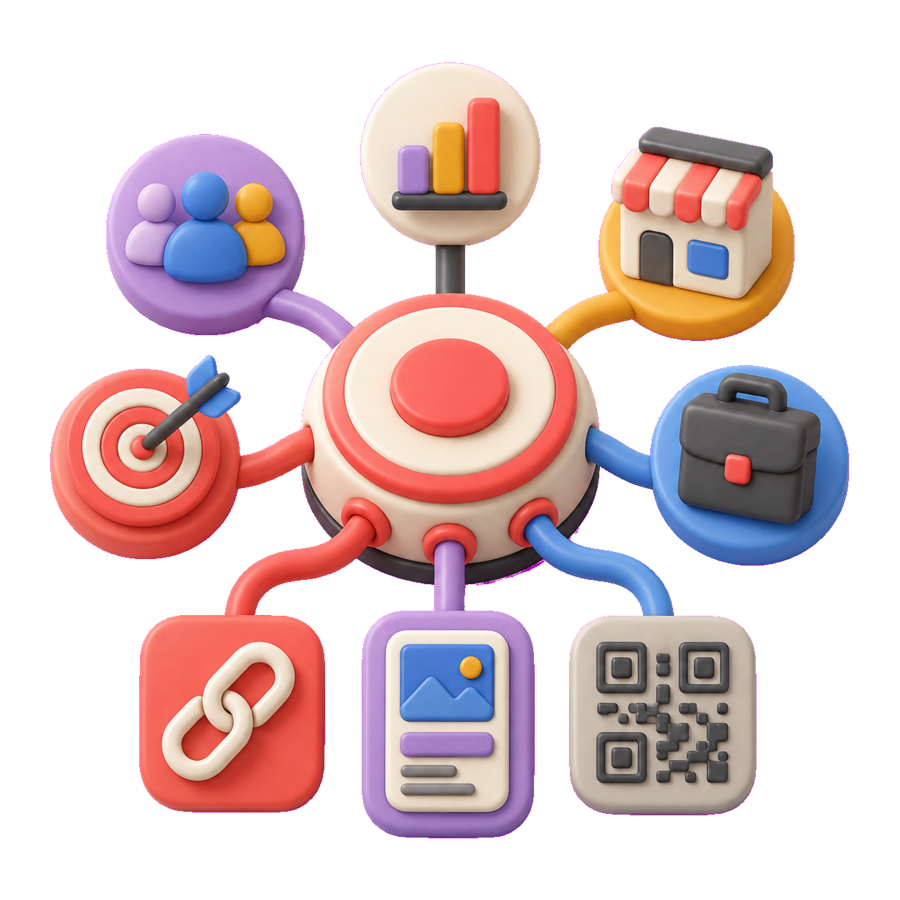
Name links for the team
Use a repeatable campaign, channel, and destination naming pattern. Clear internal names reduce accidental reuse and make later analysis easier.

Làm cho các nguồn tài nguyên công cộng dễ tiếp cận hơn. Tạo các liên kết và mã QR ngắn, dễ nhớ cho các dịch vụ công dân, chiến dịch tiếp cận cộng đồng và thông tin công khai.
Accessible Links
QR Codes for Public
Secure & Reliable
Campaign Tracking
Các liên kết ngắn, dễ tiếp cận dành cho các dịch vụ công
Mã QR cho không gian công cộng và tài liệu in ấn
Theo dõi các chiến dịch gắn kết công dân
99% thời gian hoạt động cho các dịch vụ quan trọng
Tạo liên kết ngắn có thương hiệu cho chiến dịch của bạn
Kết nối tài liệu in và hành trình trực tiếp với liên kết s.id
Xây dựng trang đích mà không cần lập trình
Theo dõi lượt nhấp, vị trí và dữ liệu thiết bị
Sử dụng tên miền của riêng bạn cho các liên kết có thương hiệu
Quản lý liên kết với nhóm kinh doanh của bạn
Public-sector communication teams often publish the same journey across several channels, where long URLs, inconsistent naming, and disconnected QR codes make distribution harder to manage. The practical goal is to make official information and public-service destinations easier to recognize and access. s.id brings short links, QR codes, microsites, and available link analytics into one connected publishing workflow without replacing the systems that own the destination experience.
Start with official service portals, notices, forms, maps, meeting pages, and public information. Create a distinct, descriptive s.id link for each meaningful channel or placement, then use that same destination in the formats the audience needs. Across agency websites, email, social, signage, mailers, public meetings, and print, a stable naming convention makes links easier for teams to recognize and helps visitors understand where they are going before they click or scan.
Evaluation should stay grounded in what the product can observe. s.id can help teams compare aggregate visits to public-information links and QR destinations. Critical services, records, identity, and accessibility compliance remain the responsibility of official systems and review processes. Keeping that boundary explicit produces cleaner reporting and avoids promising outcomes that a link-management layer cannot verify on its own.
Confirm the current, approved destination from among official service portals, notices, forms, maps, meeting pages, and public information; remove stale or duplicate URLs before publishing.
Use a concise alias and, when available on the selected plan, an eligible custom domain that matches the campaign or resource.
Create distinct links or QR codes where comparison matters, then place them consistently across agency websites, email, social, signage, mailers, public meetings, and print.
Compare aggregate visits to public-information links and QR destinations, then combine those signals with the destination system's own outcome data before changing the journey.
Treat every short link and QR code as a maintained entry point, not a one-time asset.
Use a repeatable campaign, channel, and destination naming pattern. Clear internal names reduce accidental reuse and make later analysis easier.
Pair the link or QR code with plain-language context about what opens next. Avoid ambiguous calls to action, especially for forms, portals, or sensitive topics.
Test the destination on mobile, verify campaign parameters, check QR contrast and print size, and confirm that the destination owner will keep the page current.
Start with a short link when the destination already exists, a QR code for offline access, or a microsite when the audience needs a lightweight information hub. The products can be combined, but each should solve a clear part of the journey.
Quản lý liên kết an toàn cho nhà cung cấp dịch vụ y tế. Chia sẻ tài nguyên bệnh nhân, liên kết cuộc hẹn và thông tin y tế với URL ngắn có thể theo dõi.
Tìm hiểu ThêmNgànhTạo menu QR kỹ thuật số, nhận đặt hàng không tiếp xúc và quản lý tất cả link kinh doanh ẩm thực trong một nền tảng dễ dùng. Hỗ trợ VietQR, MoMo và ZaloPay.
Tìm hiểu ThêmNgànhQuản lý liên kết an toàn cho dịch vụ tài chính. Chia sẻ tài liệu, báo cáo và tài nguyên khách hàng với URL ngắn có thể theo dõi.
Tìm hiểu ThêmBắt đầu miễn phí ngay hôm nay và xem s.id có thể giúp doanh nghiệp của bạn phát triển như thế nào.